Integrated STEM-Computer Science Learning Group
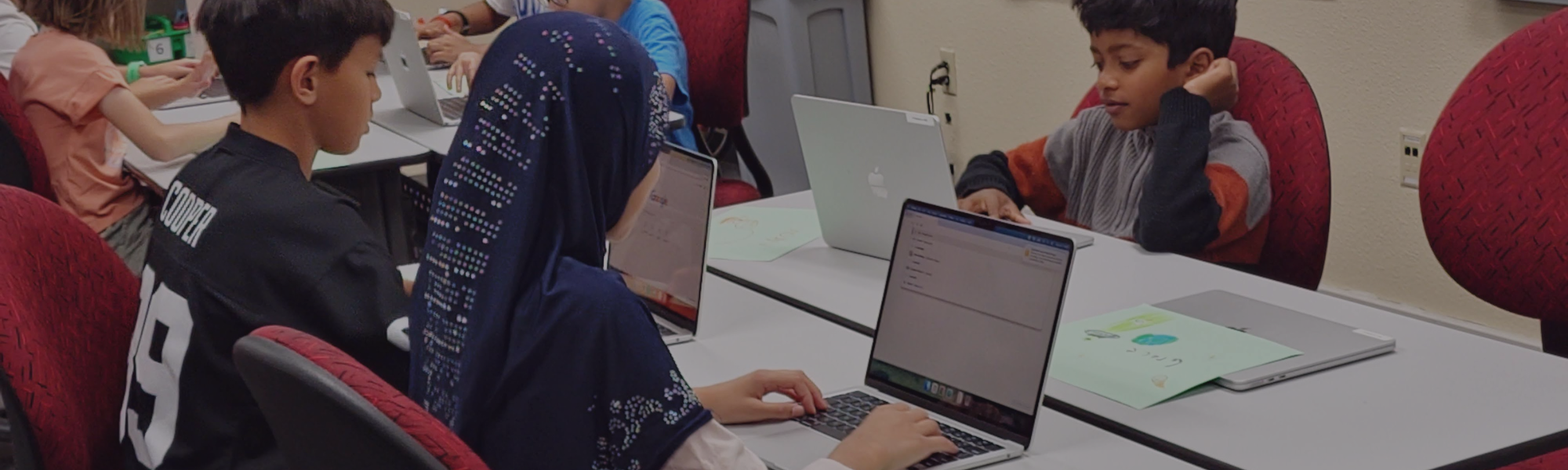
Behind every youth activity we teach at the Center for Mathematics, Science, and Engineering Education (CMSEE) is a team of dedicated university researchers. Led by our Director, Dr. Hasan Deniz, the Integrated STEM-Computer Science Learning Group studies the best ways to combine core math and science with modern technology. This powerful partnership ensures that advanced university research directly fuels CMSEE’s community outreach programs, turning proven scientific concepts into hands-on learning for local K-8 students.
How Our Research Benefits the Community
1. Learning Science Through Robotics
We use friendly, hands-on tools like Finch and Hummingbird robots to bring abstract science lessons to life. Instead of just reading from textbooks, our research developed a special class framework where children learn about animal life cycles and metamorphosis by physically coding a robot to act out those biological stages. This approach makes computer science natural, fun, and highly effective for diverse and multilingual learners.
2. Cultivating AI Literacy ($1 Million NSF Grant)
Supported by a $1 million grant from the National Science Foundation (NSF), our team is pioneering new ways to safely and creatively introduce Artificial Intelligence (AI) to K-12 education. This research directly shapes CMSEE offerings like our “Integrating Engineering, Robotics, and AI for STEM Learning” tracks. Proving the power of this research-to-practice model, local students in a CMSEE program built on this AI curriculum recently won the statewide Presidential AI Challenge!
3. The “Nature of Engineering”
Engineering isn’t just about building structures; it’s a critical way of looking at and solving real-world problems. We design practical engineering challenges for youth (such as using 3D printing to fix “big trash problems” or finding creative ways to crush recycling cans) that match national science standards and teach students to think with the mindset of professional engineers.
4. Empowering Future Teachers & UNLV Students
Our research frameworks create life-changing experiential learning opportunities right here on campus. Working closely with programs such as the Nevada Institute on Educator Preparation, Retention, and Research (NIEPRR), UNLV undergraduate and graduate students help publish scientific findings and serve as direct classroom instructors for our community cohorts. This gives future educators elite real-world training that goes far beyond traditional university coursework.
